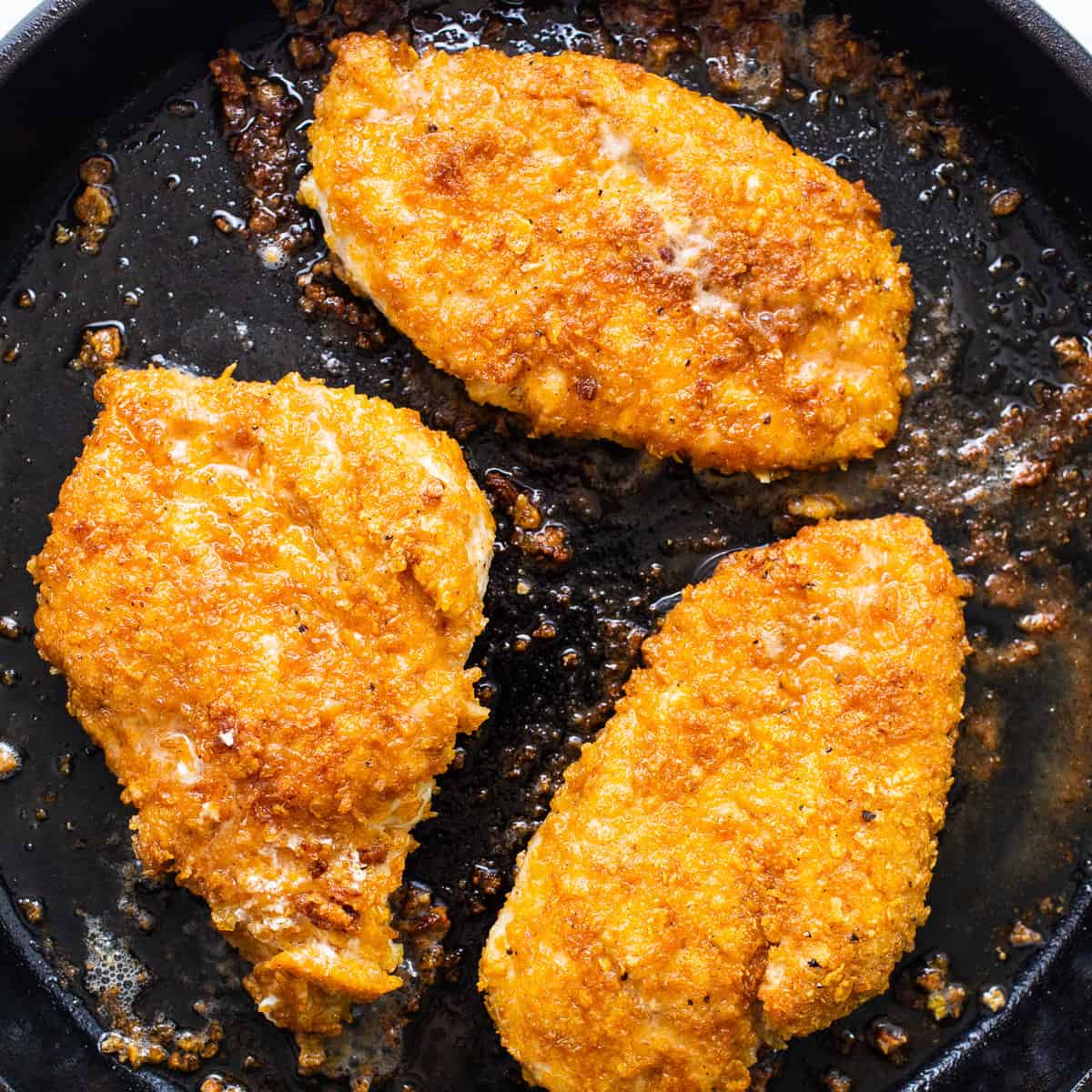
Secret to Ultra-Crispy Pan-Fried Chicken: Cornflakes & Double Dredge
Are you tired of pan-fried chicken breasts that promise crispiness but deliver disappointment – either soggy, dry, or lacking that satisfying crunch? Imagine biting into a succulent piece of chicken, perfectly golden-brown on the outside, with an audible *CRUNCH* that gives way to incredibly juicy, tender meat. This isn't a culinary fantasy; it's a reality achievable in your own kitchen with our revolutionary recipe for crunchy pan fried chicken breast. We're about to reveal the secrets to transforming an ordinary weeknight meal into a restaurant-quality experience, all thanks to a common breakfast cereal and a savvy breading technique. Forget boring chicken. Our method elevates the humble chicken breast to star status, making it the perfect companion for fresh salads, a standout in sandwiches, or a comforting main course alongside your favorite sides. What makes this recipe truly exceptional is the combination of humble cornflakes and a strategic double-dredging technique, ensuring every bite is a symphony of texture and flavor.Why Cornflakes and Double Dredging Are Your Crispy Chicken Game-Changers
The quest for the ultimate crispy coating often leads to various breadcrumbs, but none quite compare to the magic of cornflakes. This isn't just a quirky ingredient choice; it's a scientific approach to maximizing crunch.The Power of Cornflakes for Extreme Crunch
Traditional breadcrumbs provide a decent crust, but cornflakes take it to another level. Here's why they are our secret weapon for crunchy pan fried chicken breast:
- Irregular Shape & Surface Area: Unlike uniform breadcrumbs, crushed cornflakes have jagged, uneven edges. When these adhere to the chicken, they create more pockets and protrusions, leading to a lighter, airier, and significantly crunchier texture. This increased surface area also means more opportunities for browning, resulting in that desirable golden hue.
- Better Moisture Barrier: The unique structure of cornflakes helps to create a robust barrier, sealing in the chicken's natural juices while allowing the exterior to become incredibly crisp. This prevents your chicken from drying out during frying, a common pitfall with other coatings.
- Exceptional Adhesion: When properly applied, cornflakes cling tenaciously, forming a thick, satisfying crust that won't fall off in the pan.
To truly understand the transformative power of this ingredient, you might enjoy diving deeper into the specifics of using this pantry staple in your cooking. Discover how to Achieve Crispy Pan-Fried Chicken Breast with Cornflakes for even more insights.
Mastering the Double Dredge Technique for Unbeatable Adhesion and Texture
The term "double dredge" in this context isn't just about dipping twice; it's about building a multi-layered, highly adherent coating that delivers maximum crunch. While a classic double dredge might involve repeating flour and egg, for our cornflake chicken, it signifies a meticulous process to ensure the thickest, most robust crust possible.
Here’s what our double dredge approach entails and why it’s critical:
- Initial Flour Coat: This first layer is crucial for providing a dry surface to which the egg mixture can cling effectively. It creates the foundation for your crunchy pan fried chicken breast.
- Egg Wash (with a Secret Twist): The egg acts as a powerful binder. But here's where we elevate it: by incorporating finely grated Parmesan cheese into the egg wash, you create tiny pockets of flavor and additional texture. As the cheese cooks, it crisps up, contributing to the overall golden crunch and adding a savory depth that's simply irresistible. This cheese infusion enhances adherence and adds an extra layer of crispness, making the coating even more dynamic.
- Firm Cornflake Press: This is where the "double" effect truly comes into play. Instead of a light roll, you'll press the chicken firmly into the crushed cornflakes, ensuring multiple layers of flakes embed into the egg and Parmesan mixture. This creates a denser, more substantial crust that will achieve superior crispiness and remain intact throughout the frying process.
This systematic approach ensures every inch of your chicken breast is enveloped in a thick, flavorful, and ultimately crunchy pan fried chicken breast coating.
Essential Ingredients for Your Ultra-Crispy Pan-Fried Chicken
Gathering the right components is the first step towards culinary success. You'll find that most of these are likely already in your pantry.
- Chicken Breast: Opt for boneless, skinless chicken breasts. The key here is proper preparation. Use a meat tenderizer to pound the breasts to an even thickness, ideally around 1 inch. This ensures uniform cooking, preventing thinner parts from overcooking and drying out while thicker sections remain undercooked.
- Eggs: Large eggs are essential for the egg wash. They act as the primary binder, helping the flour and cornflakes adhere perfectly. Whisk them thoroughly to ensure a consistent coating.
- Crushed Cornflakes: Your star ingredient! Place plain cornflakes in a zip-top bag and crush them using a rolling pin, or pulse them briefly in a food processor. Aim for a mix of fine crumbs and slightly larger pieces for optimal texture.
- All-Purpose Flour: Forms the initial dry layer for the breading. If you're gluten-sensitive, a gluten-free flour blend works just as well.
- Flavorful Spices: A blend of garlic powder, paprika, salt, and freshly ground black pepper forms the flavor base. Consider adding onion powder, a pinch of cayenne for a subtle kick, or dried herbs like thyme or oregano to customize your taste profile.
- Oil for Frying: Choose an oil with a high smoke point to prevent burning and maintain a clean flavor. Olive oil (not extra virgin), avocado oil, canola oil, or grapeseed oil are excellent choices. You'll need enough to cover the bottom of your pan by about ¼ to ½ inch.
- Finely Grated Parmesan Cheese (Optional, but Highly Recommended): As mentioned, incorporating this into your egg wash adds incredible savory depth and contributes to an even crispier, more textured crust.
Step-by-Step Guide to Achieving Crunchy Pan-Fried Chicken Perfection
Follow these steps meticulously, and you'll be rewarded with the best crunchy pan fried chicken breast you've ever made.
- Prepare Your Chicken:
- Place chicken breasts between two sheets of parchment paper or plastic wrap.
- Using a meat mallet (or the flat side of a heavy pan), pound the chicken until it’s about 1-inch thick and uniform in size. This crucial step ensures even cooking and prevents dry spots.
- Lightly season both sides of the pounded chicken breasts with salt and pepper *before* breading.
- Set Up Your Dredging Stations:
- In a shallow dish, combine your flour with half of your chosen spices (e.g., ½ tsp garlic powder, ½ tsp paprika, ½ tsp salt).
- In a second shallow dish, whisk the eggs thoroughly. This is where you'll stir in the finely grated Parmesan cheese, along with the remaining spices.
- In a third shallow dish, spread out your crushed cornflakes.
- Arrange them in an assembly line: chicken, flour, egg wash, cornflakes.
- Execute the Double Dredge Technique:
- Take one pounded chicken breast and dredge it thoroughly in the seasoned flour, shaking off any excess. This initial dry layer is vital for adhesion.
- Next, immerse the floured chicken completely in the egg wash, ensuring it’s fully coated. Let any excess drip off briefly.
- Immediately transfer the egg-coated chicken to the crushed cornflakes. Press the cornflakes firmly onto both sides of the chicken, ensuring maximum coverage and creating a thick, multi-layered crust. Don't be shy – really press to embed the flakes. This thorough pressing is what gives you that "double dredge" effect and ultimately the crunchy pan fried chicken breast.
- Repeat with the remaining chicken breasts.
- Pan Frying to Golden Perfection:
- Heat your chosen oil in a large, heavy-bottomed skillet (cast iron or stainless steel works best) over medium to medium-high heat. You'll know it's ready when a small sprinkle of water sizzles vigorously.
- Carefully place 1-2 chicken breasts in the hot oil, ensuring you don't overcrowd the pan. Overcrowding drops the oil temperature and can lead to soggy chicken.
- Pan fry for approximately 4-6 minutes per side, or until the chicken is beautifully golden brown and cooked through. The precise time will depend on your stove and chicken thickness.
- To ensure safety and juiciness, use an instant-read thermometer to check the internal temperature. It should reach 165°F (74°C) at its thickest part. If you're aiming for a perfectly Juicy Crispy Pan-Fried Chicken: Perfect in 20 Minutes, proper temperature control and timing are paramount.
- Rest and Serve:
- Once cooked, transfer the chicken breasts to a wire rack set over a baking sheet (to maintain crispness).
- Allow them to rest for at least 5 minutes before slicing or serving. This allows the juices to redistribute throughout the meat, ensuring every bite is succulent and flavorful.
Mastering the Art: Top Tips for Unbeatable Crunch and Juiciness
Achieving consistently perfect crunchy pan fried chicken breast is a blend of good technique and a few savvy tricks.
- Don't Skip Tenderizing: This isn't just about cooking faster; it's about *even* cooking. An even thickness prevents some parts from drying out while others are still raw. It also helps the breading adhere better.
- Maintain Medium-High Heat: Too low, and your chicken will absorb too much oil and become greasy, not crispy. Too high, and the exterior will burn before the inside cooks through. Find that sweet spot where the chicken sizzles gently but steadily.
- Don't Overcrowd the Pan: This is crucial. Frying too many pieces at once lowers the oil temperature, leading to steaming instead of frying, which makes the coating soggy. Work in batches if necessary.
- The Importance of Resting: Just like steak, chicken benefits immensely from a resting period. This allows the internal temperatures to equalize and the muscle fibers to relax, reabsorbing the juices that might otherwise escape when you cut into it immediately.
- Pre-Season Your Chicken: While your breading is seasoned, a light seasoning directly on the chicken breast adds an extra layer of flavor from within.
- Consider Air Frying as an Alternative: While pan-frying delivers the ultimate crunch, if you're looking for a slightly lighter option or just prefer the convenience, air frying is possible. Preheat your air fryer to 375°F (190°C), spray the basket with nonstick spray, and cook for 15-20 minutes, flipping halfway, until an internal temperature of 165°F (74°C) is reached. You may not get the exact same robust crust, but it's a fantastic alternative.
- Serving Suggestions: This versatile crunchy pan fried chicken breast is fantastic in so many ways. Slice it over a fresh Caesar salad, tuck it into a brioche bun with your favorite toppings for an epic sandwich, serve it alongside creamy mashed potatoes and green beans, or cut it into strips for a chicken pasta dish.
With these simple yet effective techniques, you're now equipped to create crunchy pan fried chicken breast that will impress even the toughest critics. The combination of cornflakes for unparalleled crispiness and a thoughtful double-dredging method ensures a golden, flavorful crust and irresistibly juicy chicken every time. Say goodbye to dry, bland chicken and hello to your new favorite recipe. Get ready to enjoy the symphony of textures and flavors that this dish brings to your table!
